
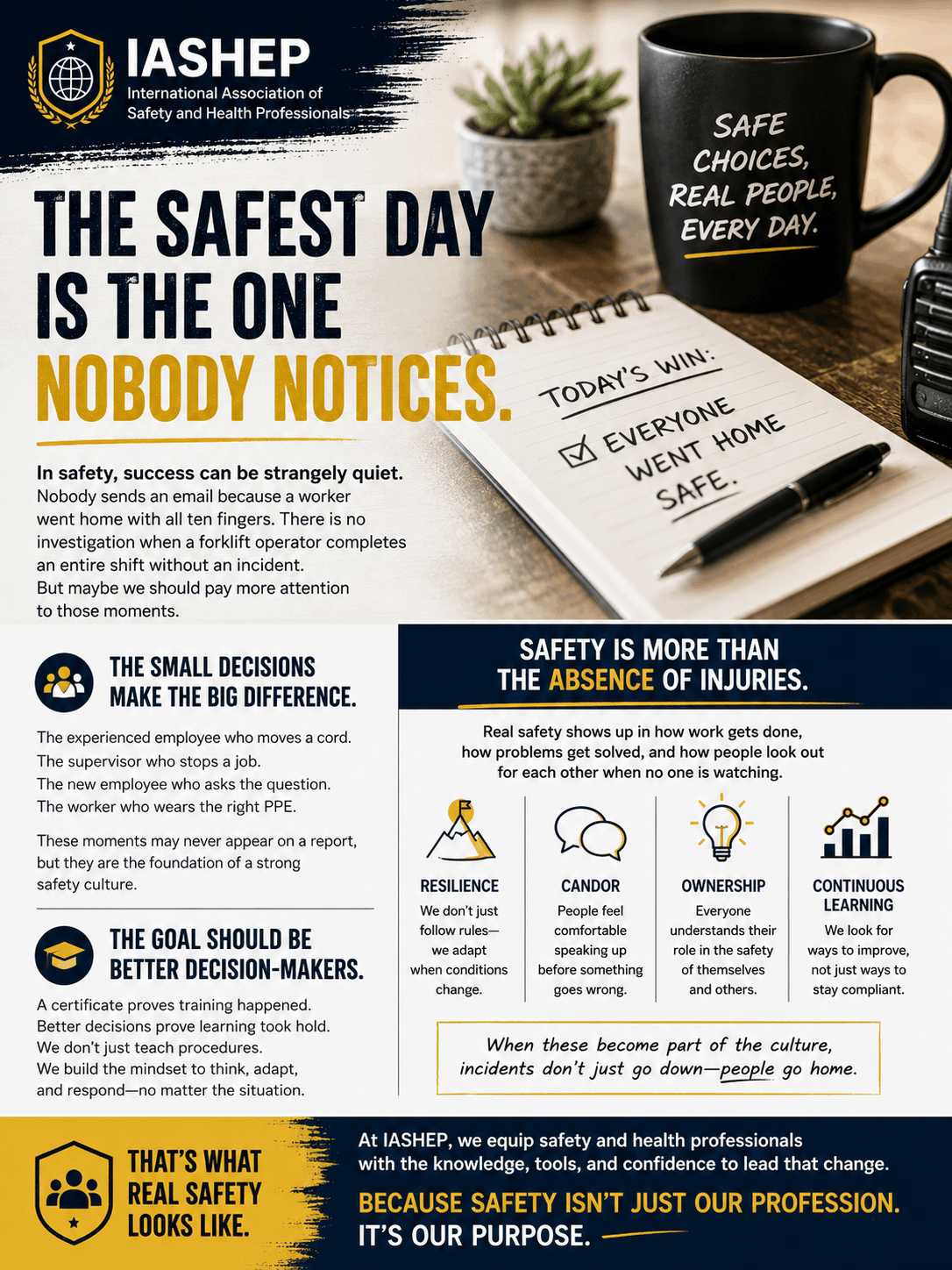
The Safest Day Is the One Nobody Notices
Aug 29, 2026

Defining FR - Flame Resistant Fabrics for Industrial Personnel exposed to Flash Fire
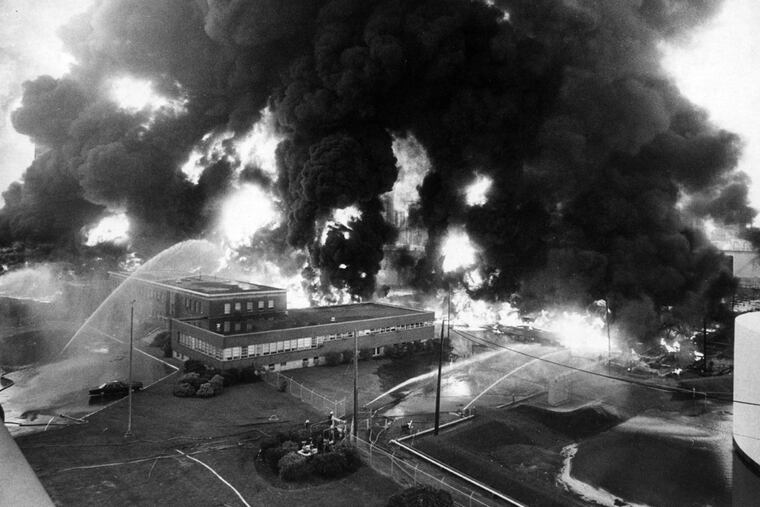
Today’s Industrial market has seen an increase in garments labeled FR – Flame resistant, Fire retardant, Flame retardant, etc. No matter how low the probability of an employee being exposed to an accidental thermal event. Non-flame-resistant fabrics such as cotton or poly cotton blends, which make up the majority of the Industrial garments in today’s market, can and do ignite, which dramatically increases body burn percentage and can turn a survivable situation into a fatality.
In fact, government reports note that the majority of severe and fatal burn injuries are due to the individual’s clothing igniting and continuing to burn, not by the exposure itself.
Why Flame-Resistant Fabrics Matter
The best way to prevent an Industrial uniform from igniting and burning is to ensure that the clothing is made from is flame-resistant fabric. By requiring Industrial uniforms to be made from flame-resistant fabric, you can eliminate clothing ignition from the equation.
The next logical step then becomes researching and specifying what flame-resistant Fabric is appropriate for the Industrial uniforms to be made of. There are numerous fabrics available to the Industrial community that claim to be flame-resistant and have performance.
Your fabric choice should be the first specification made, regardless of the garment configuration or style, because the fabric ultimately determines how the Industrial uniform will perform in an unexpected thermal event and is directly related to the degree to which the wearer could be injured or burned.
Fabric Performance in Thermal Events
There are several different aspects to how a garment performs in a thermal event, including fabric weight, construction, fiber composition, and flame-resistant technology. Some flame-resistant fabrics allow a lot of thermal energy to pass through the fabric because they are lighter in weight with open weaves, and although the fabric does not ignite,e they have a higher degree of body burn when tested on a thermal manikin., yet the manufacturer can correctly advertise them as Flame Resistant.
Several different tests, standards, and regulations measure the performance of fabrics for specific industries. For example,e there are several fabrics available in the market stated to self-extinguish when tested to ASTM D6413 (ASTM D6413 is a vertical flame test method that fabrics must be subjected to to be defined as flame resistant for protective clothing, but the test method reveals no information on how the fabric will perform in a particular thermal event.) Information on how long the fabric will be flame resistant,t or how insulating the fabric is to thermal event is not defined under ASTM D6413.
Flame Flame-resistant fabrics are designed to protect against momentary hazards such as, Arc Flash, Molten Metal Splash, and Flash Fire Hazards. A fabric that performs well in one or more of these thermal events may not perform as well in a different type of momentary exposure. Therefore, using data for one type of thermal event for another does not ensure performance.
Meeting the Minimum Standards Is Not Enough
Meeting the minimum standards for Flame Resistant Fabric is not enough –
Currently, the commercial market utilizes the NFPA 2112 standard and the ASTM F1930 test method to help evaluate Flame-Resistant Fabrics for the Flash Fire hazard.
NFPA 2112 is the standard for flame-resistant garments for the protection of industrial personnel against flash fire. Under the test method, flame-resistant fabrics are tested against a 2 calorie exposure for 3 seconds, in which sensored mannequins can measure the extent and severity of body burn. They also must pass a vertical flame test after a 100 launderings and have a “char” length less than 4 inches. Thermal Protective Performance (TPP) also must be tested both with spacers and without.
When tested to this standard, experts find significant variance in the performance of flame-resistant fabrics. A fabric can pass and be certified to NFPA 2112 as long as it measures less than 50% second and third degree burn. Two fabrics, for example, one that tests to 49% body burn and a second fabric that tests to 10% body burn, both meet the performance requirements for NFPA 2112.
Choosing the Right Flame-Resistant Fabric
Due to the varied performance of fabric,s it is critical that your flame-resistant fabric choice be determined by proven industry consensus test methods at independent laboratories. The second critical piece in determining and specifying the flame-resistant Fabric to be utilized by your organization is market-proven for performance.
With the influx of generic and unproven fabrics, it is important to note that when researching available fabrics for your Industrial operators, so that the fabric manufacturer has a proven track record of performance.
The FR fabric used to construct the garment is a critical aspect of any protective clothing program since the fabric is a primary contributor to the protection, comfort, and value equation. Therefore, we believe it is important to understand the experience and capabilities of the flame-resistant fabric manufacturer and the proven (or unproven) performance of the fabrics in the market. We have highlighted some key points for your consideration below:
■ Years of Experience in Flame-Resistant Fabrics
■ Guaranteed Flame Resistant for the Life of the Garment
■ Dedicated to Continually Test and Certify FR Fabrics
■ Experienced Technical Staff
■ Involvement in Industry Committees
■ Technical staff available for training and to answer technical questions
■ Government Certified Laboratory
■ Proven Track Record of Service to the Marketplace
Market Proven Performance
Specified by Thousands of End-Users Globally Due to the Proven Track Record of Protection, Comfort & Value
Conclusion
In today’s Industrial community, exposure to a flash fire through direct or indirect means can result in a garment fire and significant injury. The only way to protect employees from their Industrial clothing catching fire during a thermal event is to make sure that the clothing is flame-resistant.
When choosing flame-resistant clothing, the fabric that the garment is to be made from must have a track record of proven performance in the conditions required to protect your officers. Specifying what fabric the Industrial garments are to be made from should be the first and most important step in the process of defining your Industrial uniform.
Derek Sang
Business Development Manager
Bulwark Protective Apparel
480 540 5350
derek_sang@vfc.com
Comments (0)
No comments yet. Be the first to comment!
Leave a Comment