
The Safest Day Is the One Nobody Notices
Aug 29, 2026
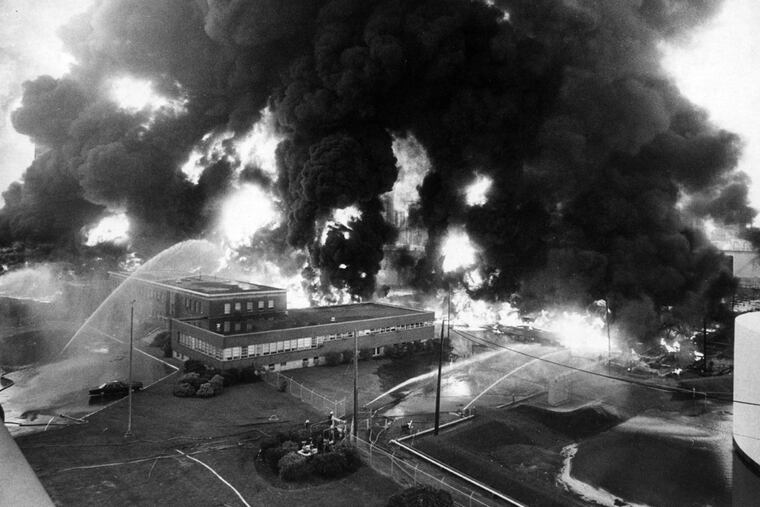
A look back at the Gulf Oil Refinery fire in Philadelphia—and what it can still teach us about safety today.
On August 17, 1975, a fire broke out at the Gulf Oil Refinery in South Philadelphia.
What followed became one of the most tragic incidents in the history of the Philadelphia Fire Department.
The fire began shortly before 6:00 a.m. when hydrocarbon vapors associated with an overfilled storage tank found an ignition source. Fire quickly spread through portions of the refinery, involving tanks, piping, and petroleum products.
Philadelphia firefighters responded to what was already a significant industrial emergency.
For several hours, crews fought the fire using foam, master streams, and large volumes of water. By that morning, conditions appeared to have improved enough that the fire was considered under control.
But the emergency was not over.
When Conditions Changed
Throughout the day, a mixture of water, foam, and petroleum products accumulated in areas around the fire.
Later that afternoon, the accumulated material ignited.
Fire rapidly swept through an area occupied by firefighters and apparatus. Firefighters attempting to rescue their fellow firefighters were themselves caught in the advancing flames.
The incident eventually reached 11 alarms.
Eight Philadelphia firefighters lost their lives as a result of the fire.
They were:
Others were injured.
It is important that when we discuss historical incidents like this, we remember that these were not simply numbers in an accident report. They were firefighters who went to work that morning expecting to return home to their families.
The Safety Lesson 51 Years Later
It would be easy to look at an industrial fire from 1975 and think that technology, regulations, and emergency response have advanced enough that the lessons belong in the past.
I don't think they do.
One of the most important lessons from this incident is something safety professionals deal with every day:
Conditions change.
An emergency that appears to be improving can still contain hazards that are developing somewhere else.
Sometimes the most dangerous part of an emergency isn't what originally happened.
It is what happens next.
Emergency Planning Cannot Stop at Evacuation
Most workplaces have some type of emergency action plan.
Organizations identify exits.
They establish muster points.
They conduct evacuation drills.
They determine who calls 911.
All of those things are important.
But there is another question worth asking:
What happens when the fire department, EMS, HazMat team, or another outside responder arrives at your facility?
Consider these questions:
Those questions can become extremely important when an emergency begins changing faster than responders can see it.
The People Coming In Matter Too
Safety professionals spend a great deal of time thinking about protecting employees.
They should.
But emergency planning should also consider the people who may eventually enter the workplace when everyone else is trying to leave.
This includes:
These responders may know emergency response extremely well.
They may not know your facility.
That knowledge has to come from the organization.
Pre-incident planning, accurate chemical inventories, facility diagrams, clearly identified emergency shutoffs, effective communication, and strong relationships with local emergency responders can make a significant difference when something goes wrong.
A Question Worth Asking Tomorrow
August 17 marks 51 years since the Gulf Oil Refinery fire.
Eight firefighters never returned home from that incident.
Remembering them should be about more than remembering a date.
It should encourage us to examine our own workplaces and ask whether we have truly learned from what happened.
Walk through your emergency plan.
Look beyond the evacuation route.
Consider what happens 10 minutes after everyone gets outside.
Then consider what happens an hour later when conditions have changed.
And ask one more question:
We spend a lot of time planning how workers will get out. How much time do we spend thinking about the people who have to go in?
Learning From History
Historical safety incidents are worth revisiting because many of the hazards we manage today are not new.
The equipment changes.
Technology improves.
Regulations evolve.
But the responsibility to recognize hazards, prepare for emergencies, protect employees, and support emergency responders remains the same.
The lessons learned from incidents like the 1975 Gulf Oil Refinery fire remind us that effective emergency preparedness extends beyond compliance—it requires planning for changing conditions, clear communication, and a commitment to protecting everyone who may be affected by an emergency.

Comments (0)
No comments yet. Be the first to comment!
Leave a Comment